Categories
Uncategorized

Five Ways to Unlock Creativity for Mental Health

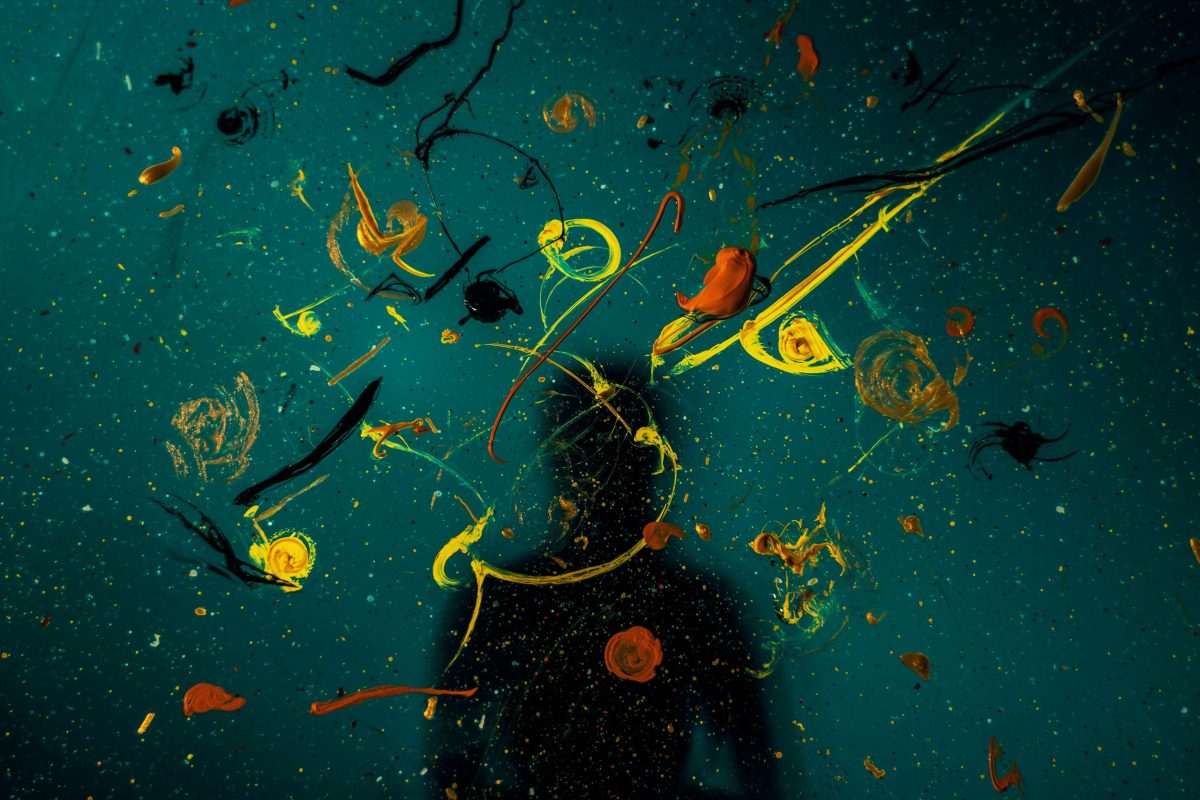
In a world where mental health challenges are more prevalent, creativity offers a powerful and often overlooked way to enhance emotional well-being. From reducing stress to boosting confidence, creative activities have been shown to have a range of psychological benefits. Whether it’s painting, writing, music, or even engaging in creative problem-solving, the process of creating can have transformative effects on mental health. Let’s explore how embracing creativity can positively impact your mind, emotions, and overall sense of well-being.

In this blog, we’ll explore five ways creative expression can help alleviate mental suffering: relieving stress, building confidence, cultivating mindfulness and cognitive flexibility, fostering connection and community, and discovering ways to cope with trauma and find a sense of purpose.

1. Relief your stress and express yourself

Engaging in creative activities can act as a form of stress relief, helping to relax both the mind and body. When you’re immersed in a creative project, whether it’s drawing, crafting, or playing an instrument, your focus may shift away from anxiety, allowing you to be present in the moment and even to think positively about your future. This form of “mindful creativity,” if practised regularly, encourages a state of flow—an immersive state where time seems to disappear and worries fade into the background.

For example, adult colouring books have gained popularity as therapeutic tools for stress relief. The repetitive, focused motions involved in colouring can calm the mind, similar to meditation. The process itself, rather than the outcome, provides a sense of tranquillity that helps reduce cortisol levels and promotes relaxation.

Creativity provides a safe and constructive outlet for expressing emotions that might be difficult to put into words. Many people find it challenging to verbalise complex feelings like sadness, anger, or anxiety, but through artistic expression, these emotions can be released and processed. Writing in a journal, painting abstract art, or even composing music allows individuals to channel their emotions into something tangible, offering relief and insight.

For those who struggle with bottled-up feelings, creative activities provide a way to externalise inner turmoil, making it easier to understand and manage. This type of emotional release can be especially valuable in times of grief, depression, or trauma.

2. Increase your self-awareness and boost your confidence

Engaging in creative practices often promotes self-reflection and introspection. Whether you’re journaling, drawing, or even dancing, creative expression encourages you to connect more deeply with your thoughts, feelings, and beliefs. This increased self-awareness helps you understand patterns in your emotions or behaviours, which can be incredibly helpful for managing mental health.

For example, keeping a journal can provide clarity on recurring negative thoughts or memories. Reflecting on creative work over time allows for a deeper understanding of your mental and emotional landscape, leading to greater self-compassion and personal growth.

Completing a creative project, no matter how big or small, can give a significant boost to your confidence. The sense of accomplishment that comes from bringing an idea to life is incredibly rewarding. Whether you engage in writing a short story, design a piece of clothing, or build something from scratch, the process of creation fosters a sense of competence and achievement. At times, it may not matter if you finish your project or not. The creative process is all that matters. 

3. Cultivate mindfulness and cognitive flexibility

Many creative activities—such as knitting, pottery, or playing an instrument—have repetitive and rhythmic elements that promote mindfulness. Mindfulness is the practice of being fully present in the moment, and it has been shown to reduce anxiety and stress. When you’re absorbed in the creative process, your mind is less likely to wander into negative or anxious thoughts, which can be incredibly grounding.

For example, activities like painting or sculpting require a focus on texture, colour, and movement, which pulls your attention into the present and reduces rumination. This act of focusing on something outside of yourself helps soothe racing thoughts and centres you.

Creative activities stimulate the brain and encourage cognitive flexibility, which is the ability to adapt your thinking when faced with new information or challenges. Engaging in creativity exercises your brain by challenging it to think in novel ways. This type of thinking is beneficial for problem-solving in daily life and can reduce feelings of being “stuck” in difficult situations.

For those suffering from anxiety or depression, the ability to think differently and develop alternative perspectives is a crucial tool. Creative thinking can help shift mental patterns, breaking the cycle of negative thinking that often accompanies these conditions.

4. Foster connection and community

Creativity has a powerful social component that can alleviate feelings of loneliness and isolation. Joining creative communities—whether online or in person—provides a sense of belonging and shared purpose. Whether you’re participating in a writing group, taking an art class, or collaborating with others on a project, the act of creating together fosters connection and support.

This approach is particularly beneficial for individuals who may feel isolated due to mental health challenges. Engaging in shared creative experiences fosters connections, allowing people to bond over a common interest and express their experiences in a supportive setting. Being part of a creative community can offer a sense of identity and belonging that bolsters mental well-being. For example, groups based on The Artist’s Way by Julia Cameron follow the tasks outlined in the book, encouraging participants to explore their creativity together.

5. Discover ways to cope with trauma and find a sense of purpose

Creativity can play a significant role in working through psychological trauma. Art therapy, music therapy, and other creative therapeutic modalities are often used to help individuals process and heal from traumatic experiences. These methods offer a non-verbal way to explore painful memories and emotions in a safe, controlled environment.

Creating art or engaging in music can help individuals reframe traumatic events, making them feel more manageable and less overwhelming. It also allows trauma survivors to regain a sense of control, as they can dictate the direction and pace of their creative expression.

Engaging in creativity often gives individuals a renewed sense of purpose and direction, which can be vital for mental health. It is sometimes difficult to find meaning in everyday life when going through difficult experiences. Creating something can provide a sense of purpose and fulfillment. Working toward a creative goal—whether that’s finishing a painting, completing a novel, or building something by hand—offers a tangible way to invest in yourself and the future.

Having a creative outlet gives you something to look forward to, breaks the monotony of daily life, and allows for personal growth and accomplishment. This sense of purpose can be a powerful motivator and a stabilising force in times of mental health struggles.

Creativity as a Mental Health Ally

Creativity can be far more than a hobby; it can also help you when you struggle emotionally in your life. Whether you’re looking to manage stress, express emotions, or simply find joy and purpose in everyday life, embracing creativity can offer profound psychological benefits. You don’t need to be a professional artist or writer to experience these benefits; the key is engaging in the process and allowing yourself to create without judgement. By unlocking your creative potential, you open the door to greater self-awareness, emotional resilience, and overall mental well-being.

Categories
Uncategorized

The Balck Swan: Madness and Creative Power 

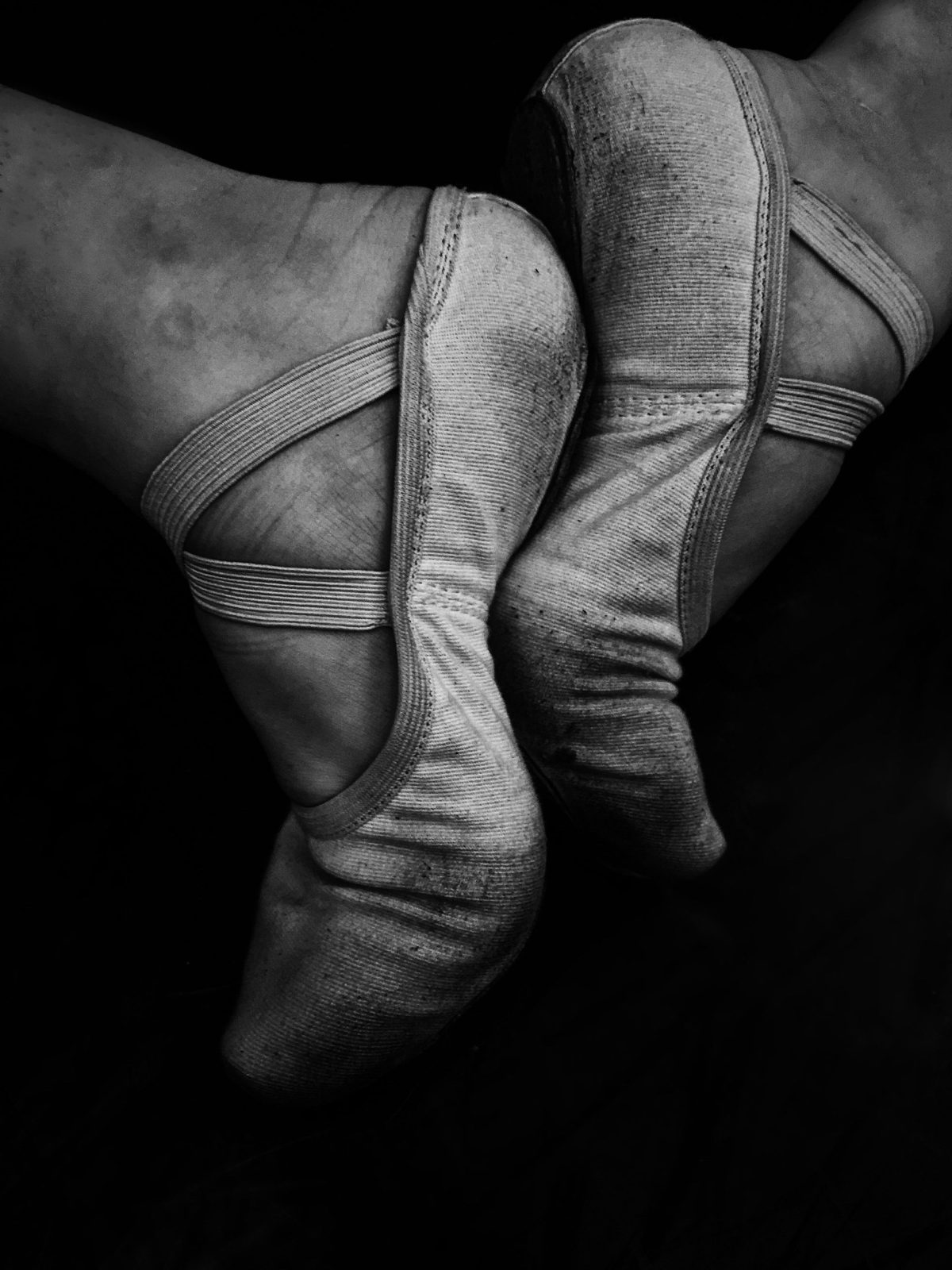
Nina enters Thomas’s office, her lips painted a deep wine red with lipstick worn by the previous prima ballerina. Her hair is down, a rare departure from her usual tightly controlled bun, and subtle makeup softens her delicate features. She stands with a mixture of determination and nervousness, her eyes fixed on Thomas.

Thomas leans back in his chair, studying her with a sharp, discerning gaze. “So,” he says casually, “you’ve made up your mind.”

Nina steps closer, her voice low but steady. “I want to be perfect.”

Thomas nods slowly as if considering. “You’re perfect for the White Swan,” he replies, watching her reaction carefully. “But the Black Swan… that’s another story.”

Nina’s expression tightens. “I can do it,” she insists, her voice edging into desperation. “I can be both.”

Thomas rises from his chair, circling her slowly, his gaze heavy with doubt. “The problem is, you’re trying too hard. Perfection is not about control. It’s about letting go.”

Nina swallows hard, frustration flickering across her face, but she says nothing as Thomas steps closer, his voice softening. “The White Swan is perfect… but the Black Swan must surprise. Seduce. Lose herself.”

He lingers for a moment as if waiting to see a spark of that wildness in her, but Nina remains stiff, holding herself too tightly. Thomas sighs, a faint smirk crossing his lips. “Not yet.”


Darren Aronofsky’s Black Swan offers a gripping portrayal of the interplay between ambition, madness, and artistry. At its core, Nina Sayers’ story is one of foreclosure, psychosis, and the failure to integrate a split sense of self. Her descent into madness not only dismantles her identity but paradoxically grants her moments of creative brilliance and power. Central to this unravelling is her encounter with the double, which provides a haunting visual metaphor for the split subject—a self fragmented by internal conflict, frozen in foreclosure.

The Double

One of the most striking aspects of Nina’s psychotic episode is her repeated encounter with a double—a hallucinatory version of herself that embodies qualities she consciously disowns. In psychoanalytic theory, the “split subject” refers to the division within every subject between conscious identity and the unconscious elements that remain repressed. However, in Nina’s case, this split takes on a more concrete and foreclosed form, externalised as a persecutory double.

Rather than integrating conflicting aspects of herself, Nina forecloses them—shutting them out of conscious awareness, only for them to return in terrifying ways. This foreclosure leaves no space for symbolic thought or reflection. Instead of allowing tension to exist within her psyche, Nina’s unconscious desires, fears, and aggression are projected outward, resulting in the hallucination of a double who acts as both rival and persecutor.

The double functions as an embodiment of Nina’s unprocessed unconscious—her repressed aggression, sexuality, and envy. She sees the double sabotage her, attack her, and ultimately merge with her during the climactic performance. This externalisation reflects the foreclosure of psychic conflict: the “other” side of Nina’s psyche, which should have been integrated into her subjectivity, is instead experienced as alien and hostile.

Foreclosure and the Collapse of Self

In Lacanian psychoanalysis, foreclosure refers to the exclusion of essential symbolic elements—such as language, recognition, or desire—necessary for the development of the subject. Without these elements, the psyche becomes vulnerable to psychosis, as unintegrated aspects of experience resurface as hallucinations, bodily symptoms, or delusions.

Nina’s double represents a split self that has been foreclosed from her conscious identity. The demands of perfection, imposed by both her ballet director and her controlling mother, do not allow her to confront or reconcile her darker impulses. Her conscious self must remain pure, disciplined, and childlike, while the repressed parts of her psyche—sexuality, aggression, and spontaneity—find expression through the persecutory double. This foreclosure leaves no room for Nina to symbolically work through these aspects of herself, resulting in fragmented subjectivity that manifests in psychosis.

The Double as Empowerment and Destruction
Paradoxically, it is only through her encounter with the double that Nina accesses the power and creativity needed to perform the Black Swan. In her everyday life, Nina is timid and passive, locked into the role of the obedient daughter and diligent student. But the double—representing her repressed sexuality and aggression—offers her a path to strength and mastery. When Nina hallucinates killing the double before the final performance, it signifies the moment she embraces the forbidden aspects of herself.

This psychic merger allows her to perform with unprecedented brilliance. On stage, she becomes the Black Swan, embodying seductive confidence and unrestrained passion. Yet this triumph comes at a cost: the collapse of boundaries between self and other, fantasy and reality. In killing the double, Nina symbolically annihilates the split within herself, achieving a brief moment of transcendence at the expense of her life.

(M)other and the Split Self

Nina’s relationship with her mother, Erica, plays a crucial role in her foreclosure and the emergence of the double. Erica’s infantilising control prevents Nina from developing a distinct sense of self. The home is filled with relics of Nina’s childhood—paintings, stuffed animals, and rigid routines—suggesting a psychic space where time stands still. In this stifling environment, Nina is denied the opportunity to explore her desires or express her aggression, forcing these elements to remain unacknowledged and foreclosed.

The double then emerges as a symptom of this unresolved split. It is the part of Nina that longs to break free from maternal control, to experience autonomy and sexual agency. However, because these desires are repressed, they return as a threatening force. Nina experiences her subjectivity as something alien—her double becomes a rival as if the parts of herself she cannot own belong to someone else.

The Collapse of Thought

Bion’s psychoanalytic idea of thinking as a process of containing and transforming raw emotional experience helps us understand Nina’s breakdown. Without a reflective space where she can think through her feelings, Nina’s emotions remain unprocessed and erupt in hallucinatory form. Yet this collapse of thought also grants her access to a kind of raw, unmediated strength. Freed from the constraints of conscious control, Nina’s performance becomes an expression of pure instinct and passion.

This uncontained energy drives her to deliver a flawless performance, but it also leaves her with no psychic ground to return to. In embracing the double and becoming the Black Swan, Nina achieves transcendence—an ecstatic union of self and role—but at the cost of obliterating her sense of self. Her triumph is inseparable from her destruction.

Brilliance and Annihilation

Black Swan offers a haunting meditation on the consequences of foreclosure and the tension between brilliance and annihilation. Nina’s encounter with her double represents the return of a split subjectivity that could not be integrated. The film reveals how the absence of psychic space—both in her relationship with her mother and in the demands of perfection—leads to fragmentation. Yet within this breakdown lies a paradox: it is through the collapse of boundaries that Nina discovers strength, creativity, and power.

In her final performance, Nina experiences a fleeting moment of wholeness. By merging with the double and embodying the Black Swan, she transcends the rigid limitations of her conscious self. However, this moment of unity is short-lived—her brilliance on stage comes at the cost of psychic annihilation. Black Swan thus leaves us with a troubling insight: creativity and power may arise from the depths of madness, but without space to think, they remain unsustainable, consuming the self in the process.


Categories
Uncategorized

Mulholland Drive: The Blurred Lines of Reality

It is the middle of the night. A dark limousine rides along Mulholland Drive carrying a mysterious woman (later known as Rita). Suddenly, the limo stops without explanation, and the driver pulls a gun on her. However, before anything happens, a car crash disrupts the situation, and Rita stumbles away, confused and suffering from amnesia.

The scene from David Lynch’s Mulholland Drive foreshadows the film’s themes of identity fragmentation, fate, and the interplay between phantasy and reality. The scene of the accident, introduces ambiguity from the very beginning, leaving the viewers to question what is real and what might be a part of an unconscious narrative. The film operates in the shadowy space between reality, dream, and phantasy (1), making it a perfect subject for exploration through the lens of Freud’s paper Creative Writers and Daydreaming (2). The film’s disjointed narrative, surreal sequences, and characters caught between identities create a world where the boundaries of conscious reality and unconscious phantasy dissolve. Lynch invites viewers into a space that mirrors the structure of a daydream—a fragmented, wish-fulfilling world where desires and anxieties intertwine.

The Role of Phantasy in Mulholland Drive

Freud described phantasy as a space where unconscious desires take shape, often offering an escape from the constraints of reality. In Mulholland Drive (3), this phantasy space is central to the film’s structure. The story begins with Betty, a bright-eyed aspiring actress, arriving in Los Angeles, the quintessential dreamland. Her journey seems straightforward at first, but as the film progresses, it becomes clear that much of what we are witnessing may be an elaborate phantasy or daydream constructed by a deeply troubled mind.

The film’s first part unfolds like an idealised version of life in Hollywood—a fantasy world where Betty is optimistic, kind-hearted, and full of promise. She meets Rita, a woman suffering from amnesia, and together they embark on a mystery-solving adventure that feels like something out of a noir film. This could be seen as the wish-fulfilment aspect of phantasy—Betty is living out her dream of making it big in Hollywood, with all the glamour and intrigue she likely envisioned.

Yet, Freud noted that phantasy is not merely about wish fulfilment. It can also be a space where the individual unconsciously processes unresolved anxieties and conflicts. The idealised world of Betty begins to crumble as darker elements surface, suggesting that this phantasy is masking deeper psychological trauma. The narrative starts to fracture, revealing that what was thought to be reality is perhaps an intricate phantasy—one that allows its creator to rewrite the painful truths of her life.

Daydreaming as a Defence Against Reality

Freud’s insights into daydreaming help to explain the disorienting shifts between realities in Mulholland Drive. Daydreams, Freud suggested, are not just wish-fulfilling fantasies but also defensive mechanisms against unbearable realities. In the case of Mulholland Drive, the film’s later revelation that much of what we’ve seen is a daydream-like phantasy crafted by the character Diane (who we discover is the “real” version of Betty) speaks to this idea.

Diane’s daydream—a narrative where she becomes Betty and lives a glamorous Hollywood life—is her defence against the crushing disappointments of her real life: her failed acting career, her broken relationship with Rita (who, in reality, is named Camilla), and the overwhelming guilt she feels for orchestrating Camilla’s murder. The phantasy world she constructs allows her to temporarily escape the unbearable emotional pain of these realities.

In the film’s dream logic, Betty’s story is the idealised life Diane wishes she had, free from the humiliation and rejection she experienced. However, just as Freud suggested, daydreams cannot entirely shield us from the unconscious conflicts they are meant to defend against. As the film progresses, the darker elements of Diane’s psyche bleed into the phantasy, leading to disturbing, surreal sequences—like the haunting “Club Silencio” scene—that remind us that this world is not what it seems.

The Blurring of Fact and Fiction

Freud pointed out that in creative works, just as in daydreams, the line between reality and phantasy is often blurred. Mulholland Drive takes this concept to its extreme, offering viewers a world in which it is impossible to separate the two. Lynch deliberately fractures the narrative, forcing the audience to navigate a labyrinth where characters, events, and even time seem to shift and transform in ways that defy logic.

This blurring of fact and fiction mirrors the experience of daydreaming, where fragments of reality intermingle with our deepest wishes and fears. Diane’s daydream may begin as a fantasy of success and romance, but as it unravels, the truth of her failures, insecurities, and guilt breaks through. The viewer is left unsure which parts of the story are “real” and which are phantasy, echoing Freud’s idea that our daydreams often obscure and distort reality in order to protect the dreamer from painful truths.

Lynch’s use of surrealism and dream logic throughout the film reflects Freud’s notion that daydreams, much like dreams themselves, allow unconscious material to surface in symbolic form. Characters’ identities morph, time seems to fold in on itself, and the film’s seemingly disconnected scenes come together in a way that is reminiscent of the fragmented nature of dreams. Just as dreams use symbols to express unconscious conflicts, Mulholland Drive presents its characters’ psychological struggles in a symbolic, non-linear narrative.

Phantasy as a Space for Emotional Truth

Freud argued that creative works, like daydreams, allow both the creator and the audience to explore unconscious desires and conflicts in a way that reality cannot. Mulholland Drive is a prime example of this, offering a narrative that may not make logical sense but feels emotionally truthful. The film taps into universal themes of longing, loss, and regret, making its surreal, disjointed world resonate on a deeply psychological level.

Diane’s phantasy offers her—and the viewer—a chance to explore the emotional truth of her situation. In her daydream, she can rewrite the story of her life, recasting herself as the plucky, successful Betty and imagining a world in which her love for Rita/Camilla is reciprocated. But as the phantasy collapses under the weight of her guilt and despair, we are confronted with the emotional devastation Diane is trying to escape. The film suggests that while phantasy and daydreams can offer temporary relief from reality, they ultimately cannot protect us from our deepest, most painful truths.

The Haunting Power of Daydreams

Mulholland Drive offers a profound exploration of the intersection between phantasy, daydreams, and reality, illustrating Freud’s ideas about how we use phantasy to navigate our desires and conflicts. Lynch’s film invites viewers into a disorienting world where dreams and reality overlap, allowing us to experience the power of phantasy both as a creative outlet and a psychological defence mechanism.

Through its surreal narrative and fragmented structure, Mulholland Drive reminds us that phantasy and daydreams are not mere escapes from reality but essential tools for processing the unconscious mind’s deepest conflicts. However, as Freud warned, the lines between these realms are fragile, and phantasy can only protect us from reality for so long before the truth inevitably breaks through.

Lynch’s film masterfully captures the haunting power of daydreams, leaving viewers with an unsettling sense that the most disturbing elements of the film may, in fact, be the closest to emotional reality.


Additional notes

  1. Phantasy here refers to the unconscious mental processes shaping a person’s emotional and relational life. For example, we may unconsciously project a phantasy of an ideal or prosecutory figure onto real people in our lives. Phantasy here is used as opposed to ‘fantasy’ which refers to conscious thoughts and imaginings.
  2. In Creative Writers and Daydreaming (1908), Freud explores the relationship between creativity and unconscious processes. He suggests that writers, like children, engage in daydreaming to fulfill unsatisfied wishes, often rooted in repressed desires, which are usually hidden in adulthood but reappear in creative works in a disguised form. Freud argues that creative writers often transform personal phantasies into narratives that evoke pleasure in readers who unconsciously resonate with the underlying wishes. By offering a socially acceptable outlet for phantasies, literature provides a bridge between the inner world of desire and the external world of art.
  3. Mulholland Drive, a movie by Lynch, is not officially inspired by psychoanalysis, however, it resonates deeply with psychoanalytic concepts. The movie unfolds like a dream, with shifting identities and surreal imagery. The first part of the movie can be interpreted as a dream of phantasy with characters representing parts of the dreamer’s psyche. This aligns with the psychoanalytic idea that dreams both express and disguise repressed wishes and fears, preserving the dreamer’s sleep. When the dream dissolves, unresolved conflicts return. The movie invites viewers to interpret its mysteries much like a therapist might approach the unconscious of a patient’s narrative.